
Key Takeaways
Navigating the aftermath of a car accident can feel overwhelming, but having a structured plan ensures your safety, protects your rights, and simplifies the recovery process. Below are critical steps and vital insights to help you handle the situation effectively.
- Prioritize safety and call for help immediately: Move to a secure location, contact emergency services, and assess injuries. Safety must always come first.
- Document the scene for clear evidence: Take photos, videos, and record witness details. Obtain a copy of the police report to strengthen your insurance claim and legal case.
- Preserve crucial digital evidence: Extract data from your vehicle’s Event Data Recorder (EDR) and save dashcam footage promptly, as these tools provide valuable information in disputes.
- Share essential information without admitting fault: Exchange contact and insurance details but refrain from statements that could be interpreted as admitting liability.
- Notify your insurance company promptly: Report the accident with comprehensive evidence within your policy's timeline to avoid delays or claim complications.
- Seek professional advice for complex claims: Consult an attorney if injuries are severe, liability is unclear, or if issues like diminished value or rental reimbursement arise.
- Monitor for delayed injury symptoms: Seek medical evaluation for injuries like whiplash or concussions, which may manifest later, ensuring documentation for insurance or legal purposes.
- Address mental health recovery: Post-accident emotional trauma, such as anxiety or PTSD, is common. Consider therapy or support groups if psychological challenges persist.
- Understand additional compensation options: Claim diminished vehicle value or recover rental car expenses during repair periods to avoid unnecessary financial loss.
By following these steps and addressing often-overlooked aspects of accident recovery, you can protect your well-being, streamline claims, and ensure a more effective and equitable resolution. In the following sections, we’ll explore each stage in greater detail, offering practical tips and guidelines.
Introduction
A car accident can be a life-altering experience, often filled with stress and confusion. In that moment, knowing how to respond can protect your safety, simplify navigating the logistics of insurance claims, and shield you from future complications.
From ensuring everyone is safe to documenting the scene, preserving evidence, and addressing potential health concerns, every action taken post-accident holds significant weight. Whether it’s securing compensation, speeding up the claims process, or safeguarding against financial repercussions, proactive planning and awareness are essential.
This guide will walk you through each step to take after a crash, helping you prepare for the unexpected, prioritize your well-being, and manage the recovery process confidently.
Immediate Steps After an Accident
Safety First: Protect Yourself and Others
Your first priority after any car accident is safety. Move to a secure location away from traffic, if possible. Turn on hazard lights, and use reflective triangles or road flares to alert oncoming vehicles. If the collision occurs at night or during low visibility, proceed with added caution to reduce the risk of further accidents.
Avoid moving injured individuals unless immediate danger—such as a fire—demands action. If the surrounding environment is unsafe, remain inside your vehicle until it is secure to exit. Ensuring safety reduces risks and allows you to focus on the next steps calmly and effectively.
Call for Emergency Assistance
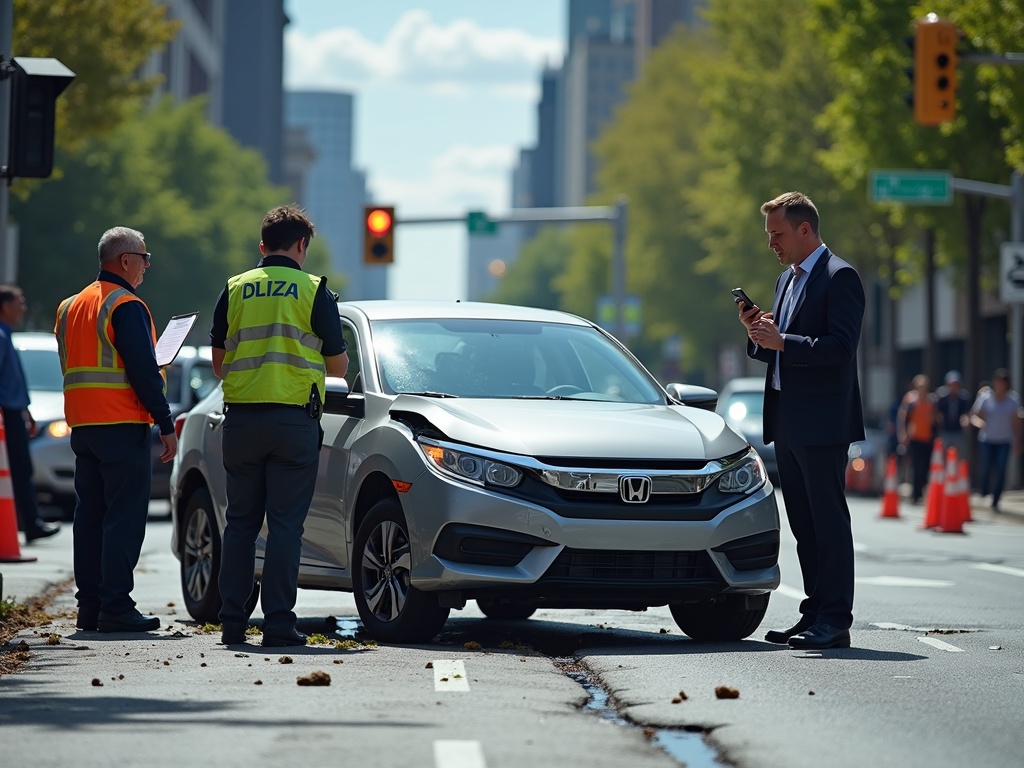
Regardless of the accident's apparent severity, always involve local authorities. A police report serves as an unbiased account, offering valuable documentation for insurance claims. Be honest and concise when speaking to law enforcement, but avoid speculating or admitting fault during your account.
For collisions involving injury, hazardous spills, or fire, paramedics and fire services should also be alerted. Minor accidents may not always require emergency responders in some jurisdictions, so knowing local reporting requirements ensures compliance.
Document Accident Details Thoroughly
Accurate documentation is crucial for insurance claims and any potential legal disputes. Use your smartphone to photograph and record all details of the scene. Capture images of vehicle damage, skid marks, debris, license plates, and surrounding landmarks.
Exchange essential information—including names, contact numbers, driver’s license details, and insurance policies—with other drivers involved. If bystanders witness the accident, take down their statements and contact details, as this can be valuable during disputes. Refrain from making statements like "I’m sorry" or speculating about fault, as these could be used against you.
Securing Digital Evidence
Dashcam Insights
Modern dashcams can be indispensable when reconstructing accidents. They provide visual and auditory accounts that eliminate ambiguity around fault. As a precaution, secure the footage immediately to ensure it’s not overwritten. If your device lacks cloud backup, export the videos to your personal computer or an external drive as soon as possible.
Event Data Recorder: The Digital Witness
Most modern vehicles include an Event Data Recorder (EDR)—a feature that records significant details like speed, braking patterns, and steering inputs moments before a crash. Accessing this data often requires professional assistance or coordination with your vehicle’s manufacturer. However, this information can provide compelling evidence in insurance or legal disputes, ensuring a fair determination of liability.
Insurance and Legal Processes
Acting Quickly: Notify Your Insurer
Once the scene is controlled, report the accident to your insurance company promptly. Most policies specify a reporting window of 24 to 48 hours. Share all evidence, including the police report, photos, and witness testimonies.
Stick to factual, concise explanations when describing the accident. Avoid providing recorded statements unless you fully understand the implications or have consulted a professional.
When Legal Expertise is Necessary
Not all claims are straightforward. Complex cases, such as those involving catastrophic injuries, unclear liability, or disputes over diminished value, may require legal representation. An attorney can clarify your rights, advocate for fair compensation, and manage contentious negotiations with insurers or opposing legal teams.
For example, in states with comparative negligence laws, you may bear a percentage of liability. A lawyer can clarify how this affects potential settlements and guide you through the process.
Injuries and Post-Accident Health
Recognizing Delayed Injuries
Many injuries, such as whiplash and concussions, don’t present symptoms immediately. To address potential delayed reactions, schedule a comprehensive medical evaluation following the accident, even if you initially feel fine.
Document emerging issues like lingering pain, dizziness, or discomfort in a symptom journal. This record not only ensures proper treatment but also establishes evidence for insurance or legal claims related to injury compensation.
Supporting Emotional Recovery
The ramifications of a car accident extend beyond the physical. Emotional trauma, such as anxiety, depression, or PTSD, is common in survivors. Symptoms, including nightmares, avoidance behaviors, or an inability to concentrate, can significantly impact daily life.
Seeking help from a therapist or counselor can support emotional recovery. Many insurance policies cover mental health treatments, so explore these options to facilitate healing.
Maximizing Compensation
Understanding Diminished Value
Even after repairs, a vehicle’s history of an accident often reduces its market worth, known as diminished value. You’re entitled to compensation for this loss, especially if another party was at fault. To substantiate your diminished value claim, obtain an appraisal from an expert who can document both pre- and post-repair values accurately.
Recovering Alternative Rental Expenses
If extensive repairs render your vehicle inoperable, rental cars are often required. Document transportation costs thoroughly, and verify whether your policy includes rental coverage. Alternatively, claim compensation from the liable driver’s insurer for loss-of-use expenses.
Practical Tips for Streamlining Claims
Stay Organized and Persistent
Digital organization is a powerful tool for tracking accident-related documentation. Categorize files into folders for medical reports, police records, repair estimates, and correspondence with your insurer. Being organized significantly improves your ability to counter disputes and appeal denials.
Follow up regularly with claims adjusters to ensure investigations progress efficiently. Keep detailed logs of conversations and submit requested documents promptly to avoid delays.
Appeal Denied Claims Strategically
If your claim is declined, request a detailed explanation from the insurer. Many rejections stem from insufficient evidence or unmet deadlines. Strengthen your appeal with additional evidence, such as expert reports or witness accounts, to challenge the decision effectively. Legal support can also bolster your case if needed.
Conclusion
Recovering from a car accident is a multifaceted process that requires vigilance, preparation, and persistence. By prioritizing safety, thoroughly documenting the incident, and leveraging cutting-edge tools like dashcams and EDRs, you lay the groundwork for a strong case.
Equally important is addressing both physical and emotional health. Immediate medical evaluations help uncover hidden injuries, while mental health support eases the recovery from emotional trauma. Staying organized and proactive through the claims process ensures faster resolutions and minimizes financial strain.
Ultimately, preparing for the unexpected not only alleviates immediate stress but also positions you for long-term recovery. Whether tackling insurance claims, legal disputes, or health concerns, a methodical approach transforms chaos into control, ensuring peace of mind and equitable outcomes.